
Hay fever is usually treated as an outdoor problem, but a great deal of British suffering happens indoors. Pollen comes in on clothes, hair, pets and open windows, then settles into whatever soft material is nearest, which is generally carpet, curtains and upholstery.
Once it settles it does not simply vanish. Every footstep and every cushion movement stirs it back into the air, which is why symptoms often feel worse in the evening at home than they did outside at midday.
How pollen gets in and where it settles
Grass and tree pollen travels in on outdoor clothing, on shoes, in hair and on the coats of dogs that have been walked through long grass. Open windows on a warm evening bring in a great deal more, and in Hertfordshire and Berkshire many homes back onto fields, verges and mature tree cover.
Indoors, the heaviest deposits build up in the places air moves slowest: curtain folds and hems, carpet pile in low traffic corners, and the crevices of sofas and armchairs.
- Curtains and blinds sit directly in the path of air coming through the window.
- Carpet pile holds fine particles far longer than hard flooring does.
- Sofa crevices collect whatever falls from clothing while people sit.
- Rugs in bedrooms are a common source of morning symptoms.
Why cleaning helps but vacuuming alone may not
A vacuum with poor filtration can make things worse in the short term by throwing fine particles out of the exhaust and into the breathing zone. The suction lifts the pollen from the pile, and then the machine puts it straight back into the room.
A sealed machine with a fine filter avoids that, but even then, vacuuming only reaches so far into the base of the pile or into curtain hems. A periodic deep clean removes the reservoir rather than skimming the surface.
A seasonal routine that works
The aim is to lower the total load in the house rather than to eliminate pollen, which is not realistic. Small consistent habits during the season do more than a single heavy clean.
Timing matters. Pollen counts are typically highest in the early morning and again in the early evening, so choosing when to ventilate makes a real difference.
- Ventilate in the middle of the day rather than early morning or evening.
- Vacuum carpets and rugs at least twice a week during the season.
- Change and wash bedding weekly at a hot wash.
- Wipe down window sills and hard surfaces, which catch what the fabric does not.
- Shower and change clothes after time outdoors, especially before sitting on the sofa.
- Keep pets off beds and soft furnishings during peak weeks.
Curtains deserve more attention than they get
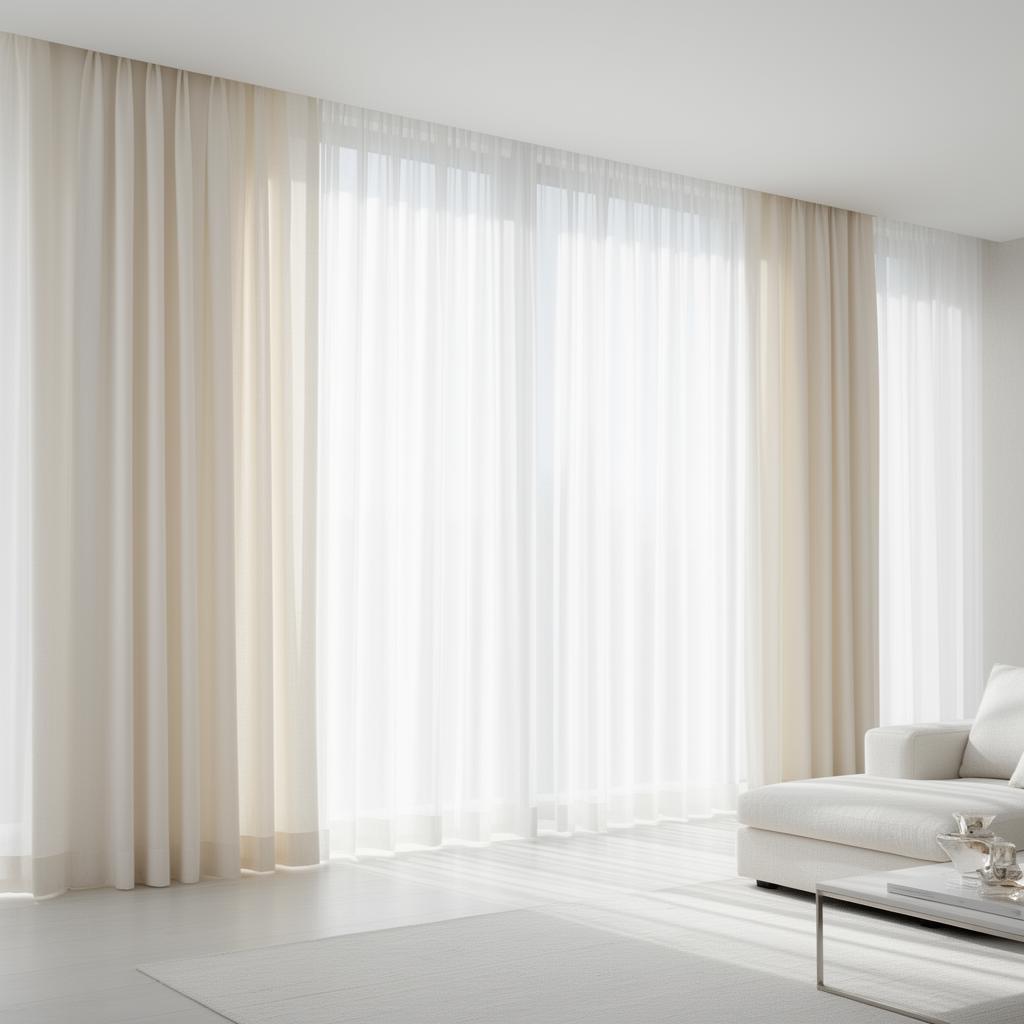
Curtains are the most neglected soft furnishing in most houses. They hang directly in the airflow from the window, they are rarely cleaned, and the hem gathers a season's worth of settled particles.
Taking curtains down for washing risks shrinkage and lining damage, particularly with interlined or heavily made curtains, which is one reason on site cleaning while they hang is often the safer option. The fabric is cleaned in place, the pleats stay as the maker set them, and there is no rehanging problem.
When to schedule a deep clean
There are two sensible points in the year. Cleaning at the start of spring clears the winter dust load before the pollen season begins, so the house starts from a lower baseline. Cleaning at the end of summer removes the pollen that accumulated through the season rather than leaving it to be stirred up all winter.
For households with significant hay fever or asthma, doing both is not excessive. For everyone else, the end of season clean generally gives the most benefit.
- Early spring: clear the winter build up before pollen arrives.
- Early autumn: remove the season's accumulated pollen.
- Prioritise bedrooms, since that is where symptoms disrupt sleep.
- Include curtains and upholstery, not just the carpet.
Honest limits
No cleaning removes pollen permanently, and anyone claiming otherwise is overselling. What a thorough clean does is reset the indoor level, so the house is not adding to the outdoor exposure you cannot avoid.
Cleaning also helps with dust mites and pet dander at the same time, which matters because most allergy sufferers react to more than one trigger and the combined load is what tips symptoms over.