
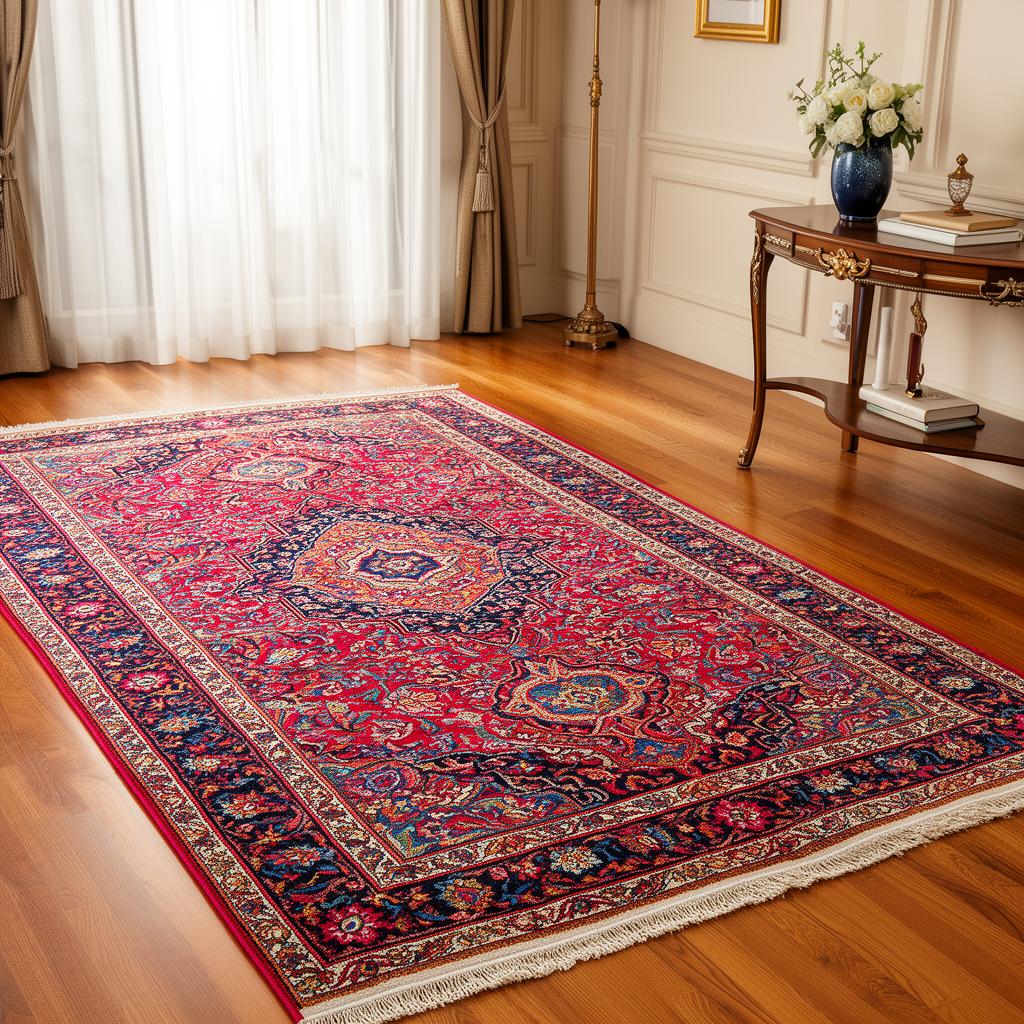
Two rugs of identical size can differ enormously in cleaning cost. A machine-made polypropylene rug and a hand-knotted wool rug with unstable dyes are not the same job, even though they cover the same floor.
This guide explains what a rug specialist assesses before quoting, and when in-plant cleaning is the right call.
What is assessed before a price is given
Construction and fibre determine both the method and the risk. That assessment is the reason a good rug quote is rarely given blind from a photograph alone.
- Fibre — wool, silk, viscose, cotton or synthetic
- Construction — hand-knotted, hand-tufted, flatweave or machine-made
- Dye stability — colourfastness testing before any wet work
- Foundation and fringe condition, including any existing damage
- Contamination — pet urine requires decontamination, not just surface cleaning
In-plant versus on-site cleaning
Many valuable rugs are best cleaned off-site where dusting, controlled washing, rinsing and flat drying can be carried out properly. Dry soil removal alone can release a surprising amount of grit that on-site methods cannot reach.
On-site cleaning suits robust, low-risk rugs and situations where the rug cannot be moved. It is faster and cheaper, but the process is inherently more limited.
Where specialist handling earns its cost
Viscose behaves badly with water and can distort or yellow when treated as if it were wool. Silk and antique pieces need conservative chemistry and careful drying. Hand-tufted rugs with latex backings can delaminate if over-wetted.
In each case the additional cost buys risk control on an item that is often difficult or impossible to replace.