
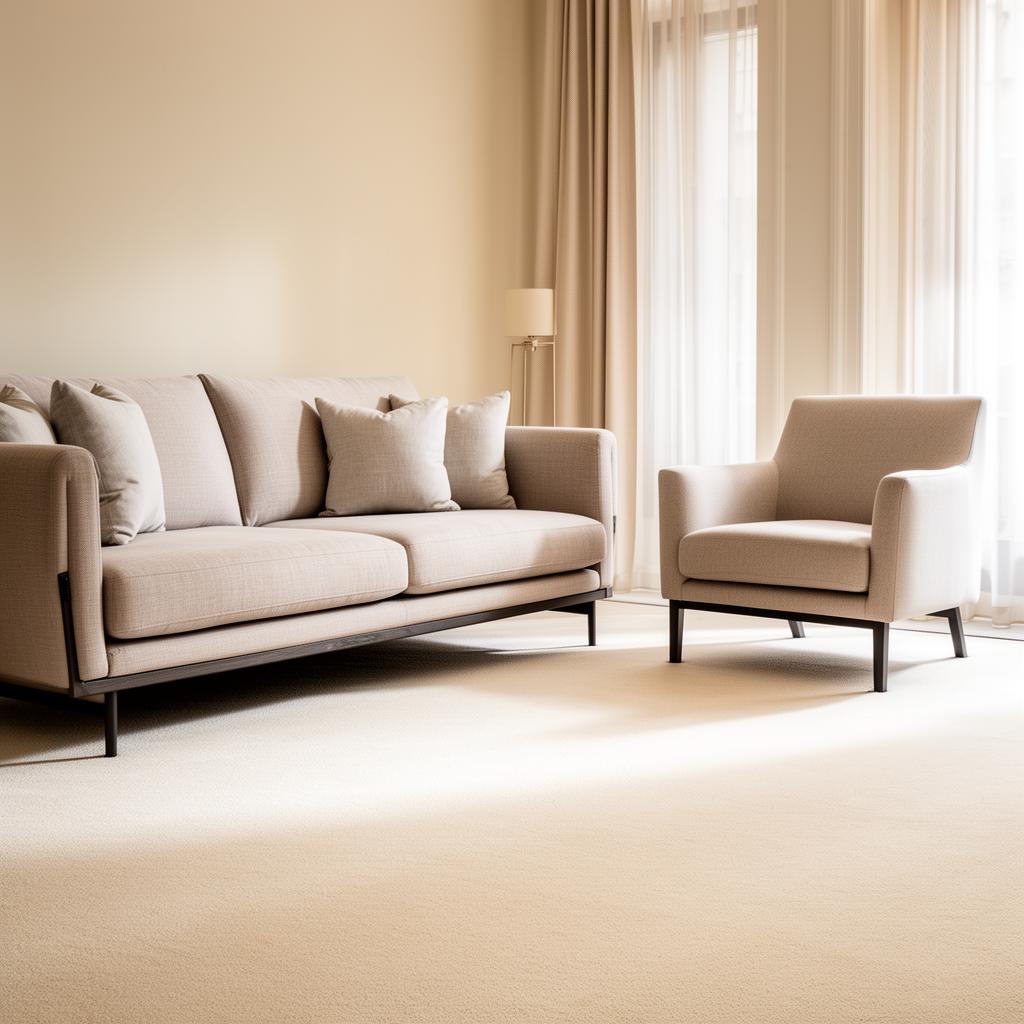
Drying time is the question asked on nearly every booking, and the honest answer is that it depends on method, extraction quality, fibre, ventilation and the weather.
What you can control is airflow and the amount of traffic the carpet receives while it is still damp.
What controls drying time
Two rooms cleaned on the same day can dry at very different rates for these reasons.
- Method — low-moisture systems dry far faster than full extraction
- Extraction quality — thorough recovery removes most of the applied water
- Fibre and pile depth — dense wool holds more moisture than a low-pile synthetic
- Airflow and ventilation — the single biggest factor you can influence
- Humidity and temperature — damp winter days extend drying
- Underlay condition and subfloor type
How to speed it up
Open windows where the outside air is drier than the inside air, keep interior doors open to promote cross-flow, and run fans pointed across the carpet surface rather than straight down at it.
Where humidity is high, a dehumidifier in a closed room is more effective than open windows.
What to avoid while damp
Keep shoes off, since damp fibre picks up soil quickly. Avoid replacing furniture directly onto damp carpet — metal or wooden feet can transfer marks or rust stains into the pile.
If furniture must go back early, protective tabs or foil under the feet prevent most of these problems.