
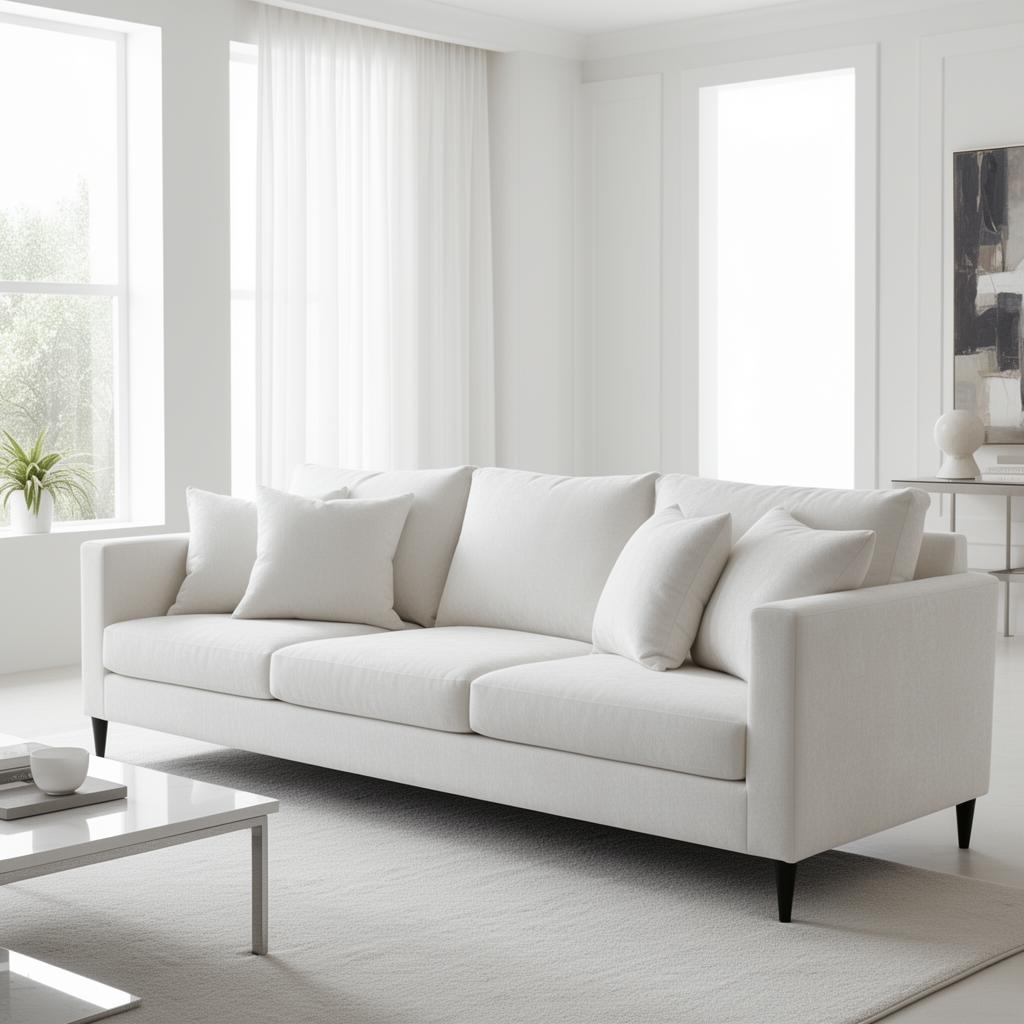
Upholstery is priced differently from carpet because the unit is the piece, not the floor area. A three-seat sofa, a pair of armchairs and a chaise all take different amounts of time even when the fabric is identical.
Understanding how the pieces are counted and why fabric identification matters will help you compare quotes and avoid a surprise on the day.
How pieces are counted
Most quotes count seating positions rather than furniture items. A corner group is measured across its seats, a footstool counts separately, and scatter cushions are usually treated as part of the piece.
- Seat count across sofas, corner units, armchairs and dining chairs
- Loose versus fixed cushions — loose covers can often be cleaned on both faces
- Headrests, arms and scatter cushions
- Footstools, ottomans and bench seating
Why the fabric code changes the method
Manufacturers commonly label upholstery with a cleaning code indicating whether water-based, solvent-based or dry-only methods are safe. Getting this wrong can cause shrinkage, watermarking or dye bleed that no later clean will reverse.
A reputable cleaner will identify the fabric, check for colourfastness in a hidden area, and select the method accordingly. That test takes minutes and prevents irreversible damage.
- Water-safe fabrics generally allow hot water extraction at controlled moisture
- Solvent-only fabrics require low-moisture or dry methods
- Viscose, silk and some linens are moisture-sensitive and need specialist handling
- Leather is conditioned and cleaned, not extracted
Extras worth asking about
Odour treatment, pet hair removal and fabric protector are separate line items on most quotes. Protector is applied after cleaning and buys you time to blot spills before they become stains — it does not make fabric stain-proof.