
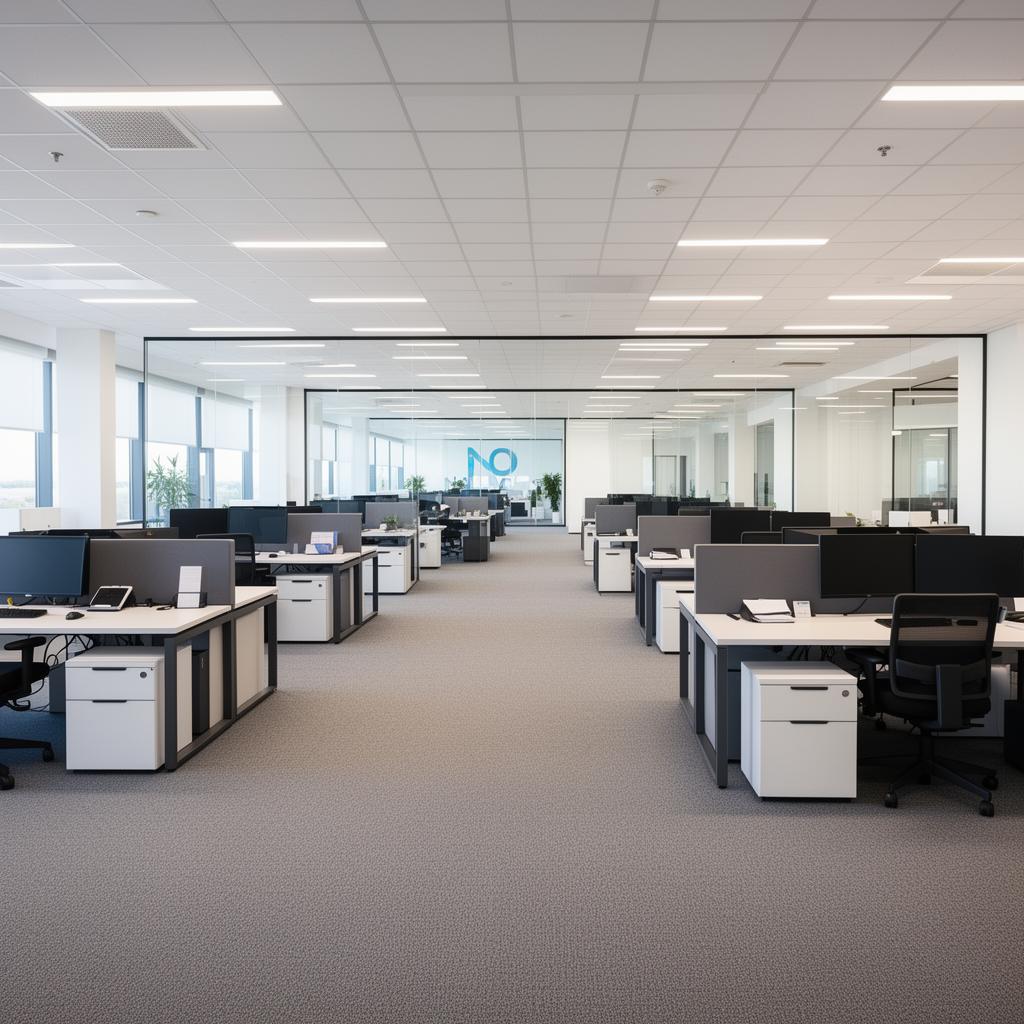
Commercial carpet spend is rarely optimised by finding a cheaper price per square metre. It is optimised by cleaning the right zones at the right frequency, so that soil never reaches the point where restorative work is needed.
This guide sets out a practical way to structure a budget across an office, and where facilities managers most often over- or under-spend.
Split the floorplate into zones
Soil does not arrive evenly. It enters at the door and is walked inwards, so the first few metres of a building take a disproportionate share of the load.
- Entrance and matting zones — highest soil load, highest cleaning frequency
- Circulation routes, lifts and stair thresholds — heavy directional traffic
- Open-plan desking — moderate, with localised food and drink spotting
- Meeting rooms and executive areas — low traffic, high presentation expectation
- Storage and back-of-house — lowest priority
Interim maintenance versus periodic deep clean
Interim, low-moisture maintenance keeps appearance levels stable with minimal downtime and fast drying. Periodic deep extraction removes the embedded soil that interim work cannot reach.
A schedule that uses frequent interim work on high-traffic zones and less frequent deep cleaning across the whole floor usually costs less over a lease term than annual restoration alone, because carpet replaced early is the largest cost of all.
Access, downtime and contract structure
Out-of-hours or weekend working avoids disruption but affects rates. Agree access arrangements, security escorting, waste and water access, and reinstatement expectations before the schedule is signed.
Ask for a documented zone plan and cleaning record. It makes the spend auditable and supports any dilapidations discussion at lease end.